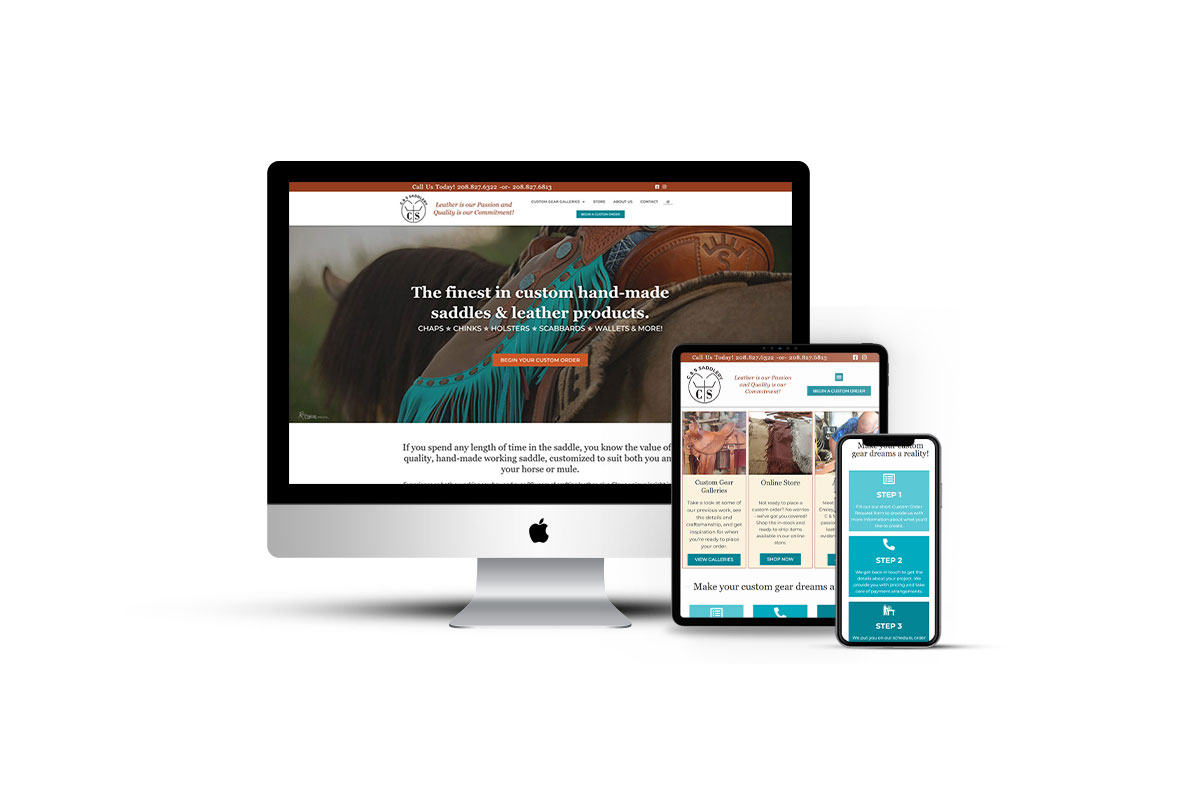
When most business owners think about building a website, they focus on the layout, the colors, or the words on the page.
But the truth is, your images should be doing a lot of the heavy lifting.
They’re what people notice first. They’re what build trust (or break it). And they’re often the deciding factor in whether someone sticks around… or clicks away to check out your competition.
If you want a website that doesn’t just look pretty, but actually works for your business, here are the types of images you need, and how to use them strategically.
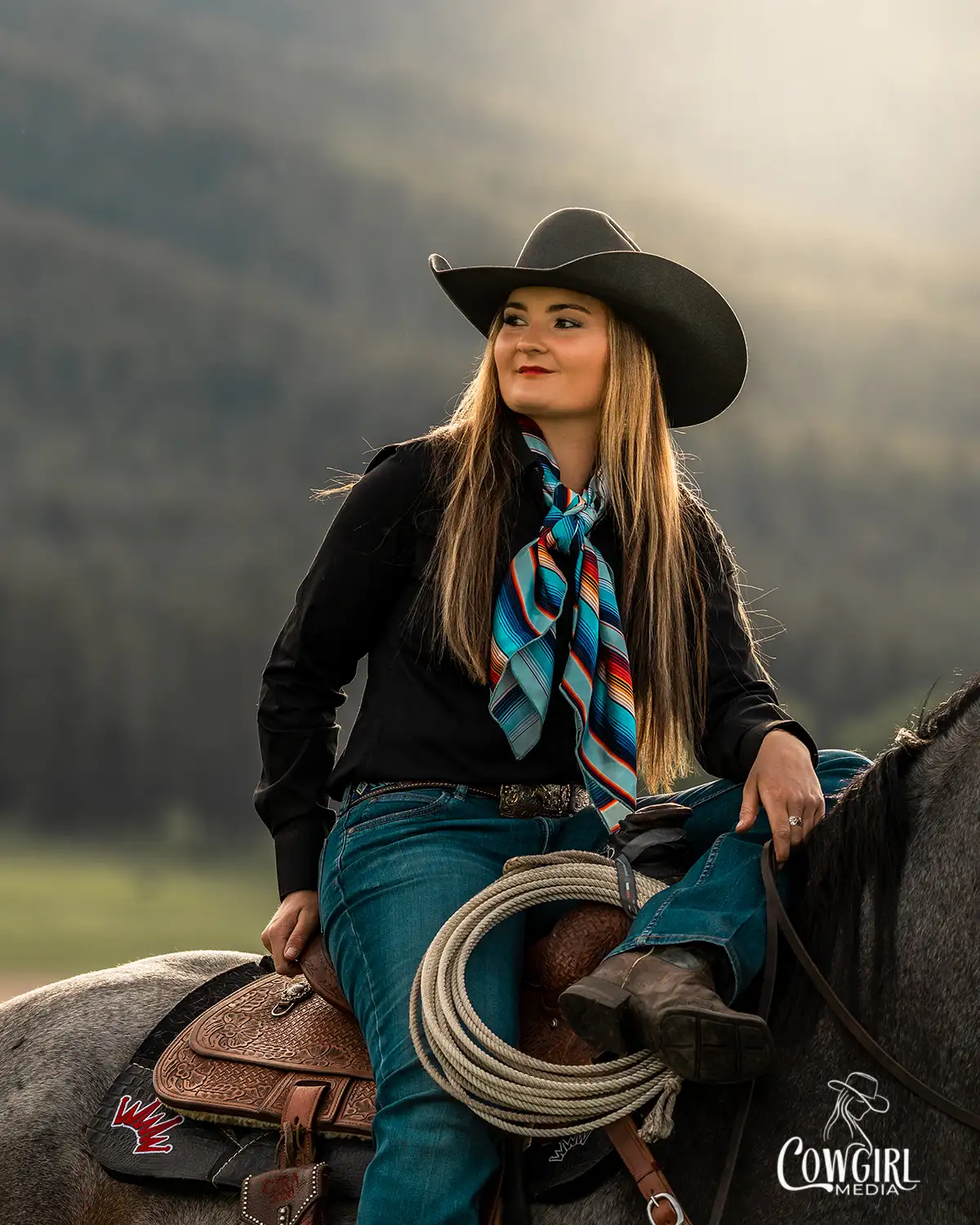
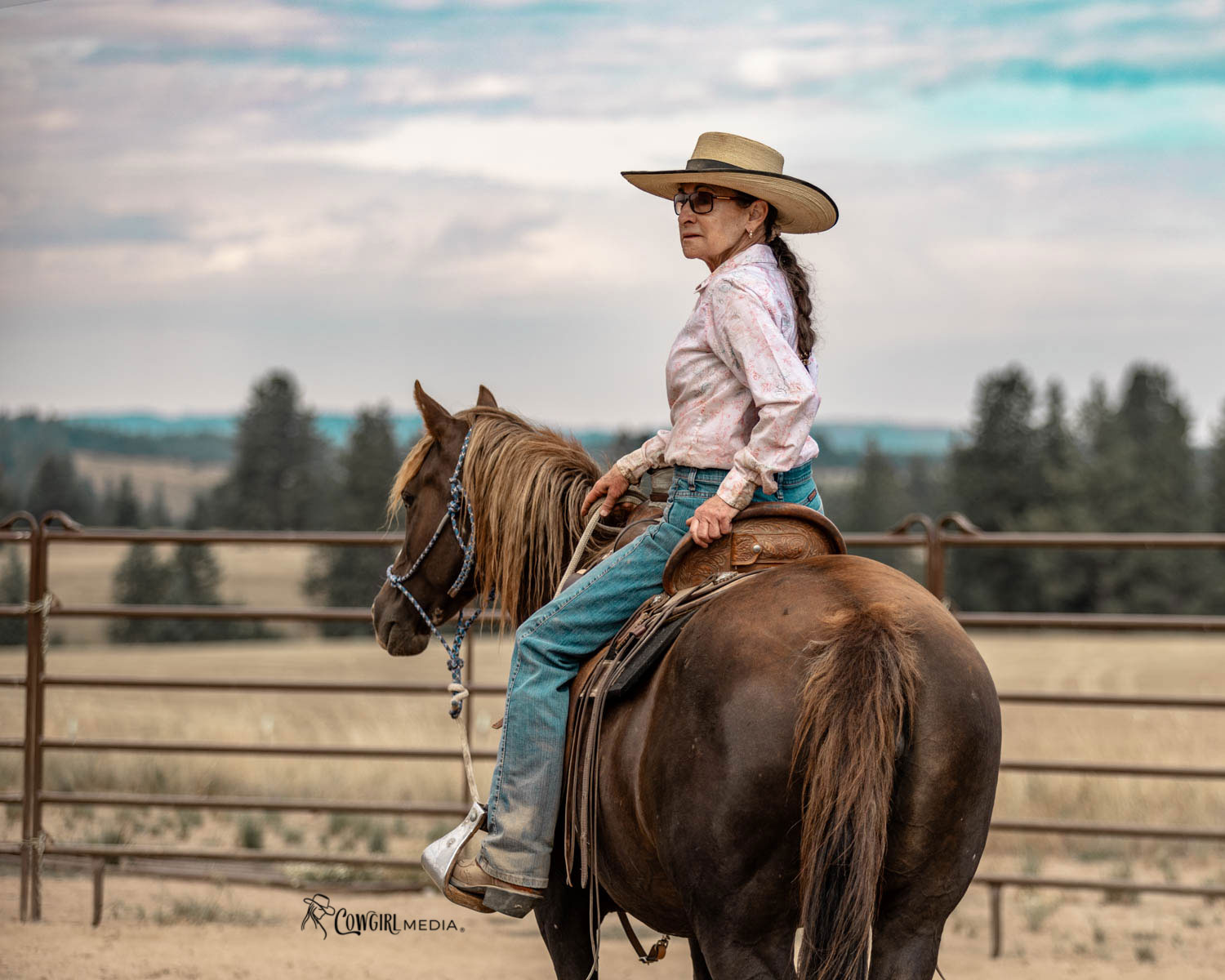
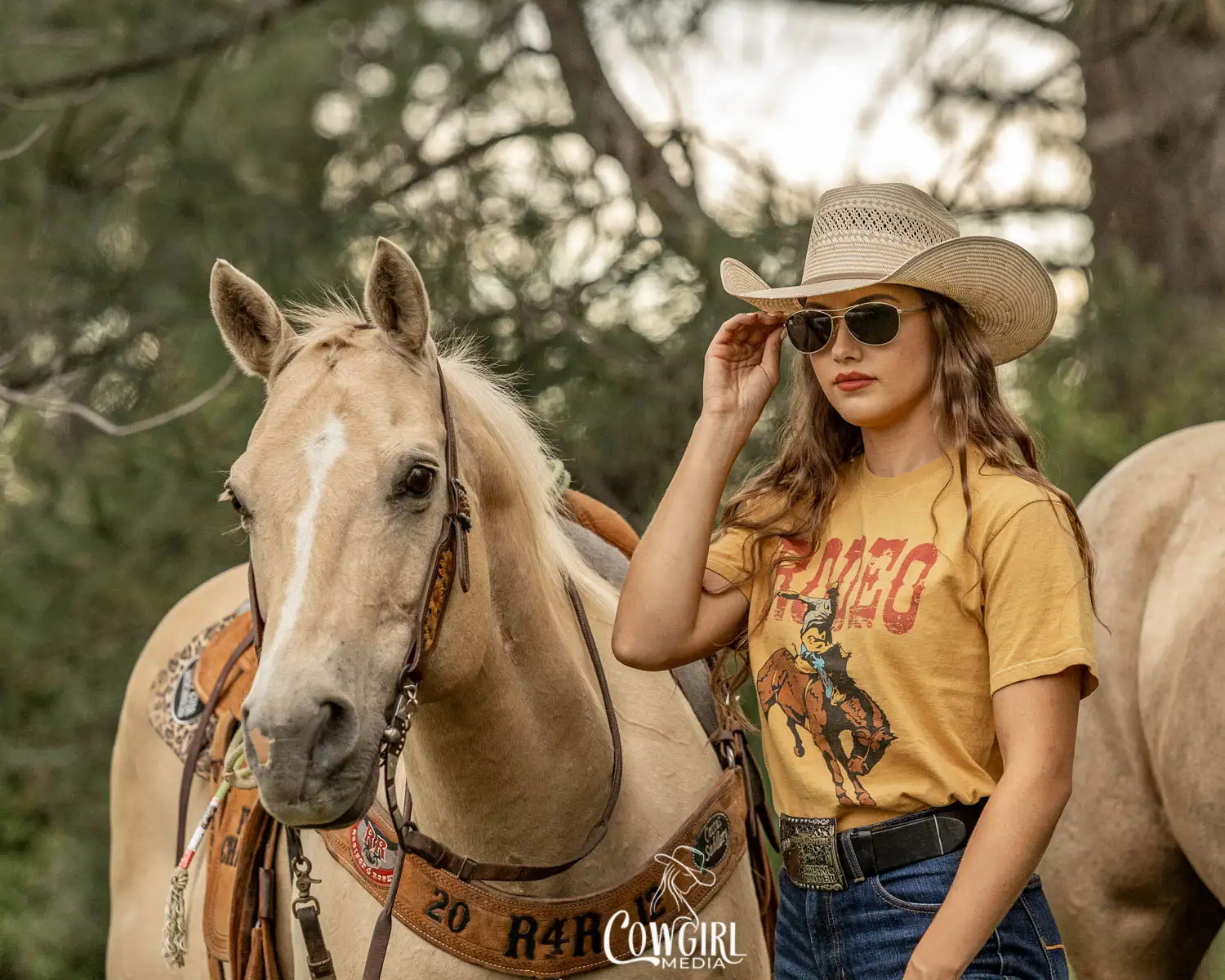
Professional Headshots (That Actually Feel Like You)
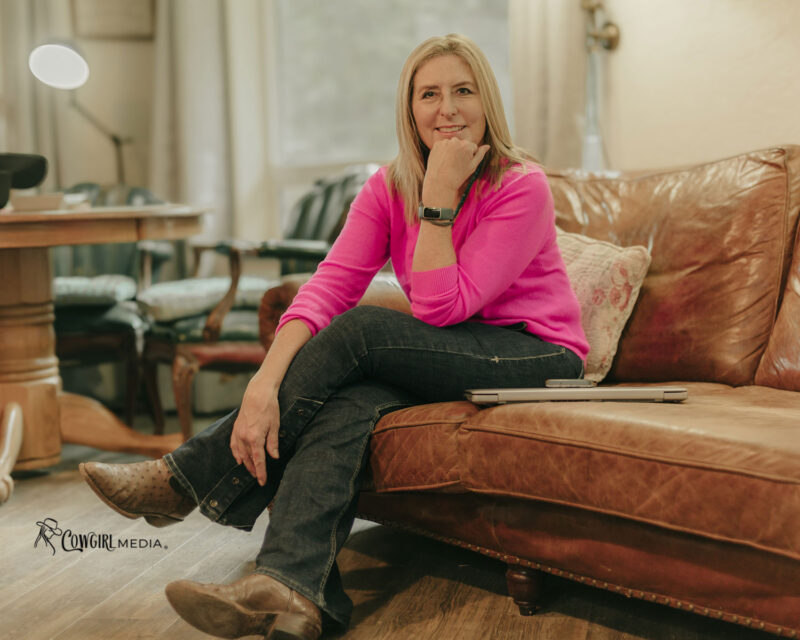
Your audience wants to know who they’re working with. A strong headshot builds instant connection and credibility.
What to aim for:
- Clean, crisp, quality images
- Cropped in a 1:1 or 4:5 ratio (works well across desktop and mobile)
- Natural expressions and settings that reflect your personality; avoid the stiff or overly posed images
- Consistent lighting and editing style across your brand
Skip the outdated, overly corporate look. People are looking to connect with you on a more personal level and want to see the real human behind the business.
Brand & Lifestyle Images (Your Story in Action)
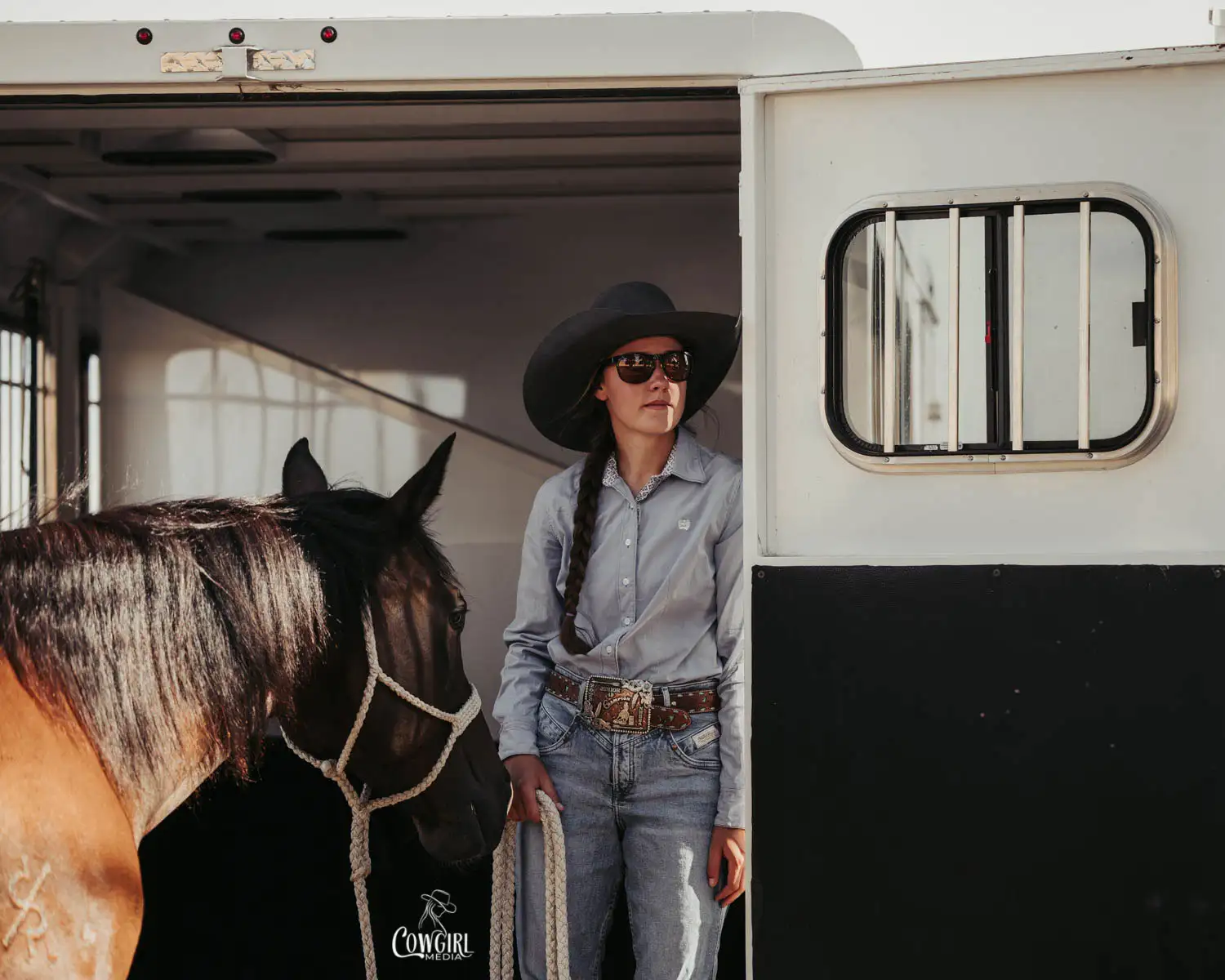
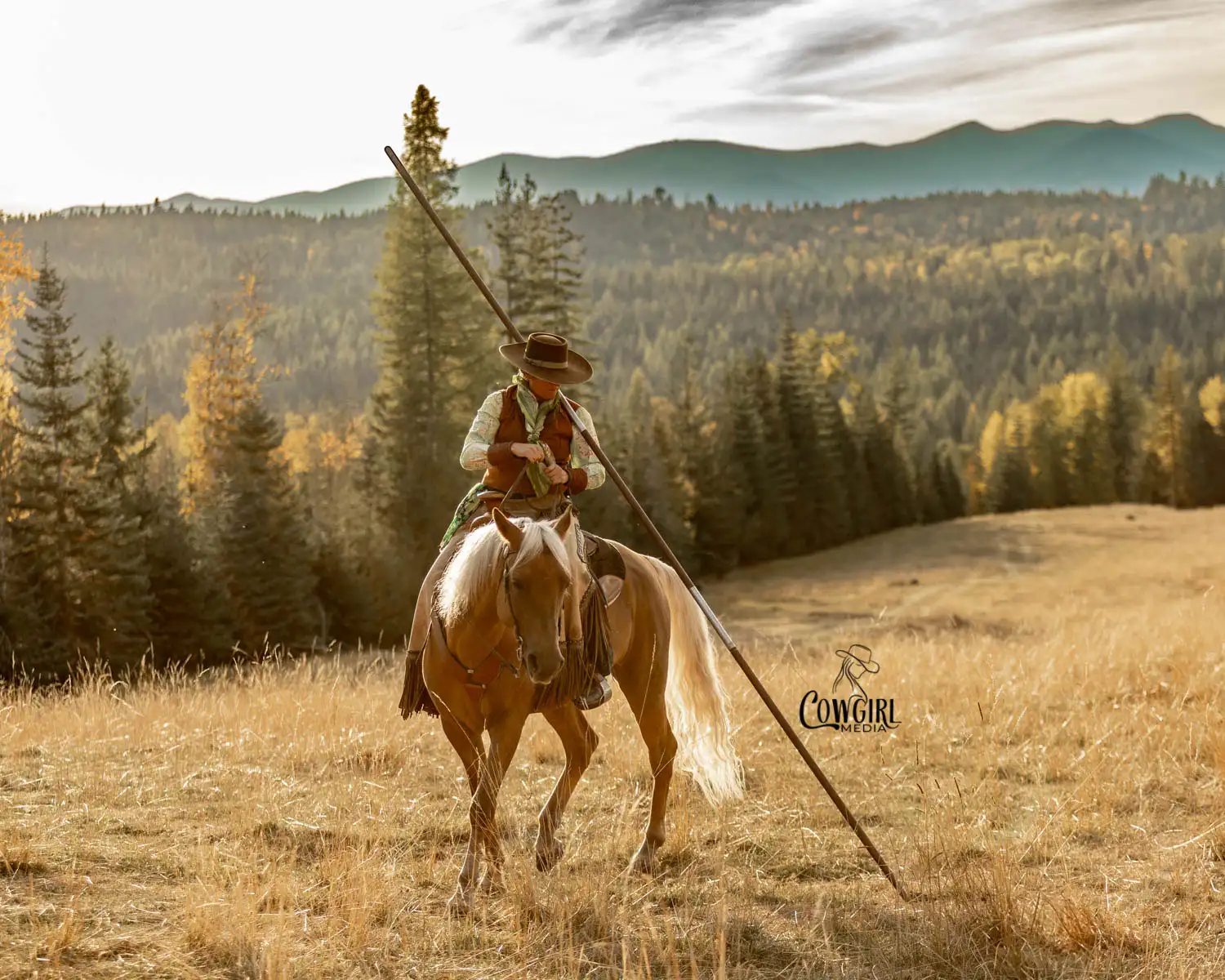
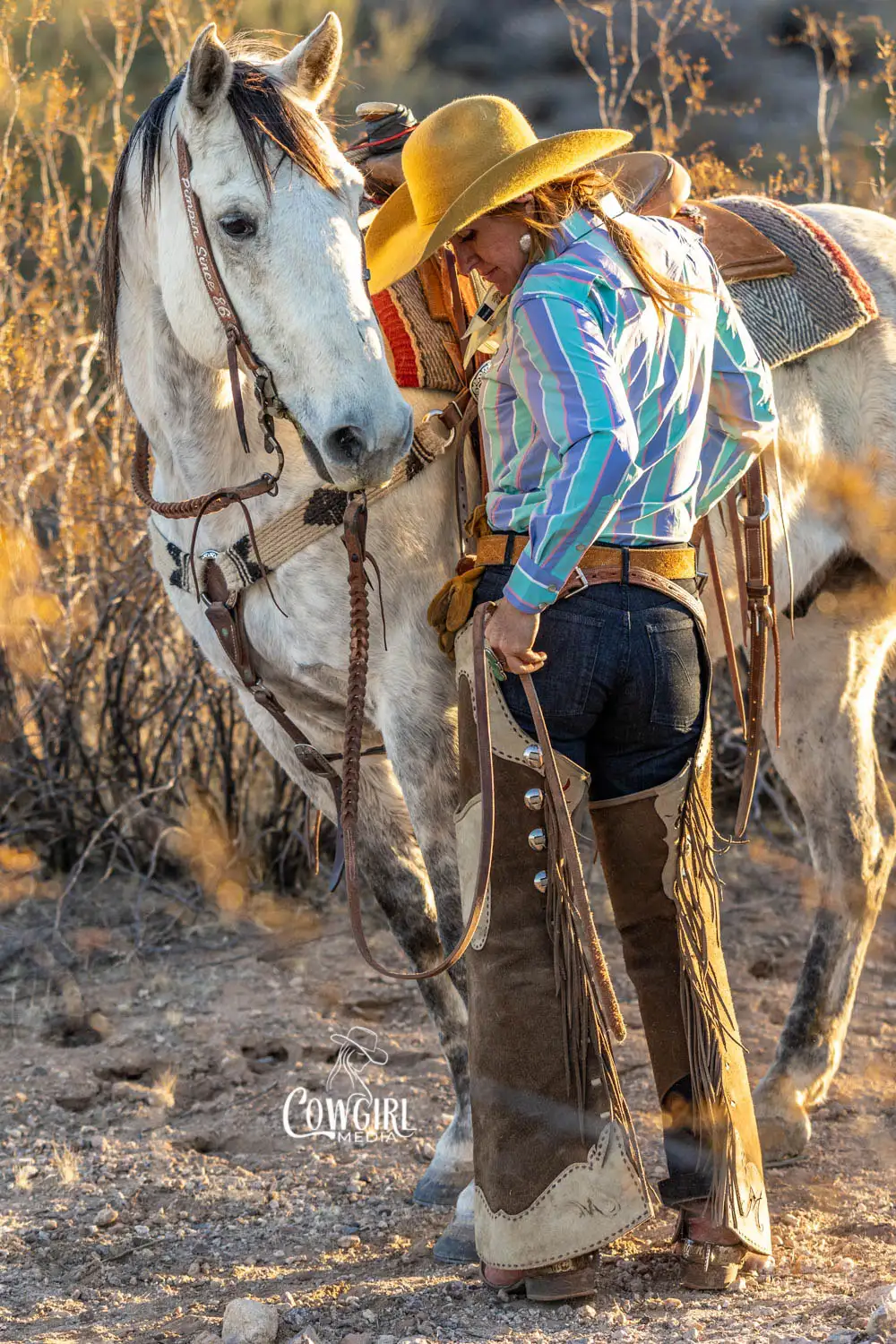
These are some of the most important images on your entire site, especially if you’re in a hands-on, lifestyle-driven industry such as the equine or western-lifestyle space.
Think:
- You working with clients
- Behind-the-scenes moments
- Day-in-the-life visuals
- Real environments, not staged perfection
What to aim for:
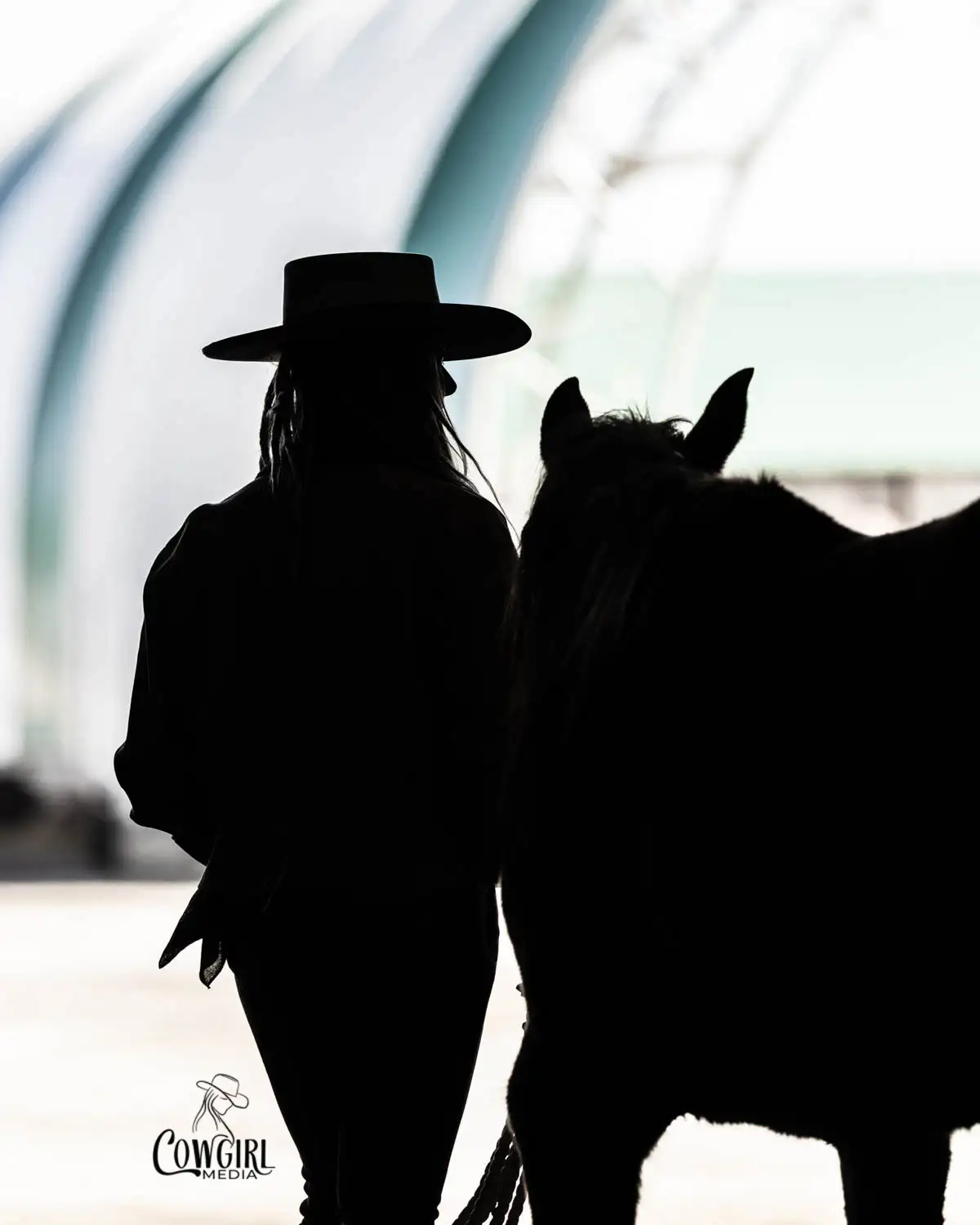
- Vertical-friendly crops (4:5 or 9:16) for mobile users
- Movement and emotion over perfection
- Consistent tones and editing that match your brand
These images help people picture what it’s like to work with you, and that’s what drives inquiries.
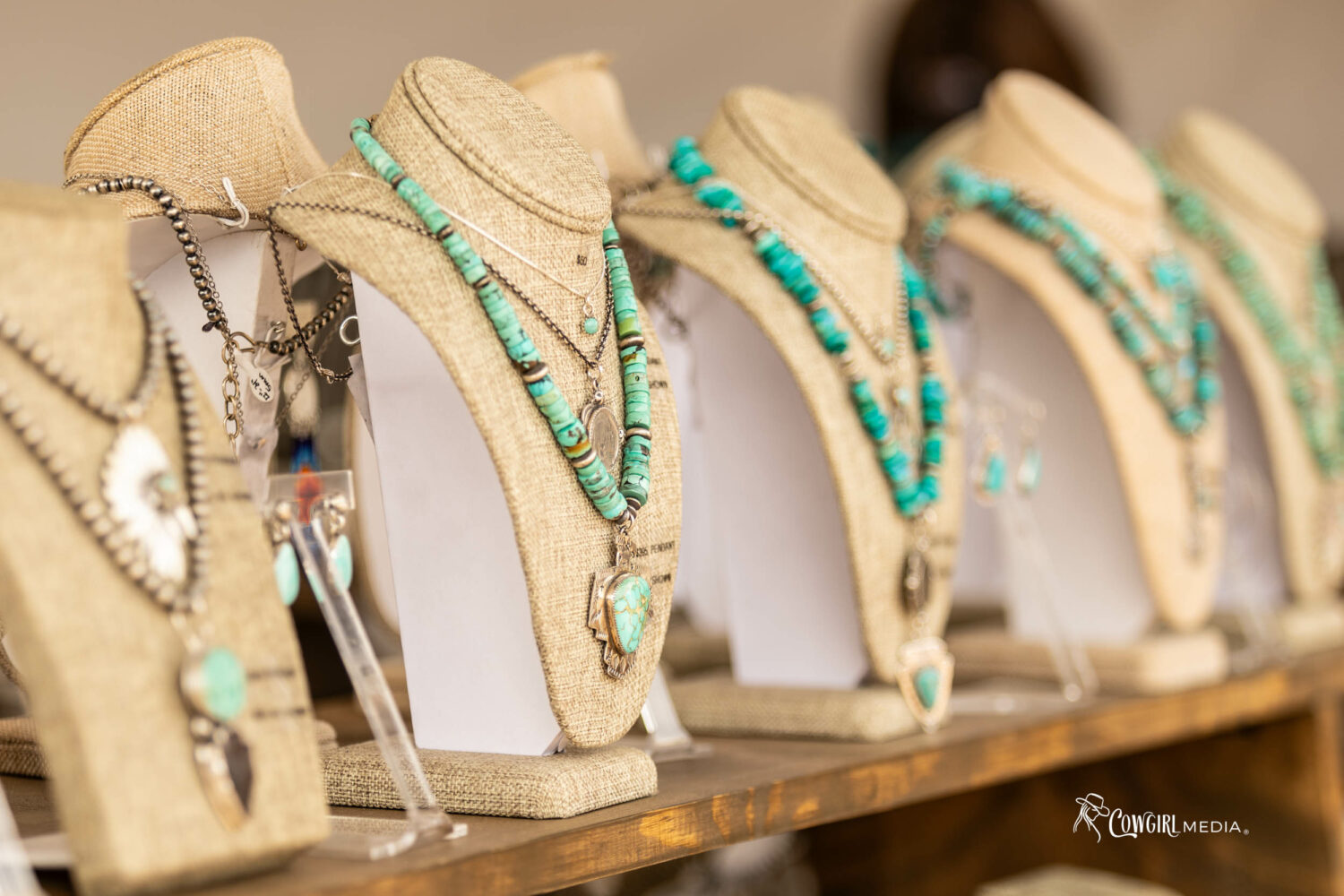
Product or Service Images (Clear, Detailed, and Honest)
If you’re selling something — whether it’s a product or a service — people need to see it clearly.
For product-based businesses:
- Multiple angles (front, back, detail shots)
- Clean backgrounds or lifestyle context
- Square or slightly vertical crops (1:1 or 4:5) for flexibility
For service-based businesses:
- Show the process, not just the result
- Capture real interactions and outcomes
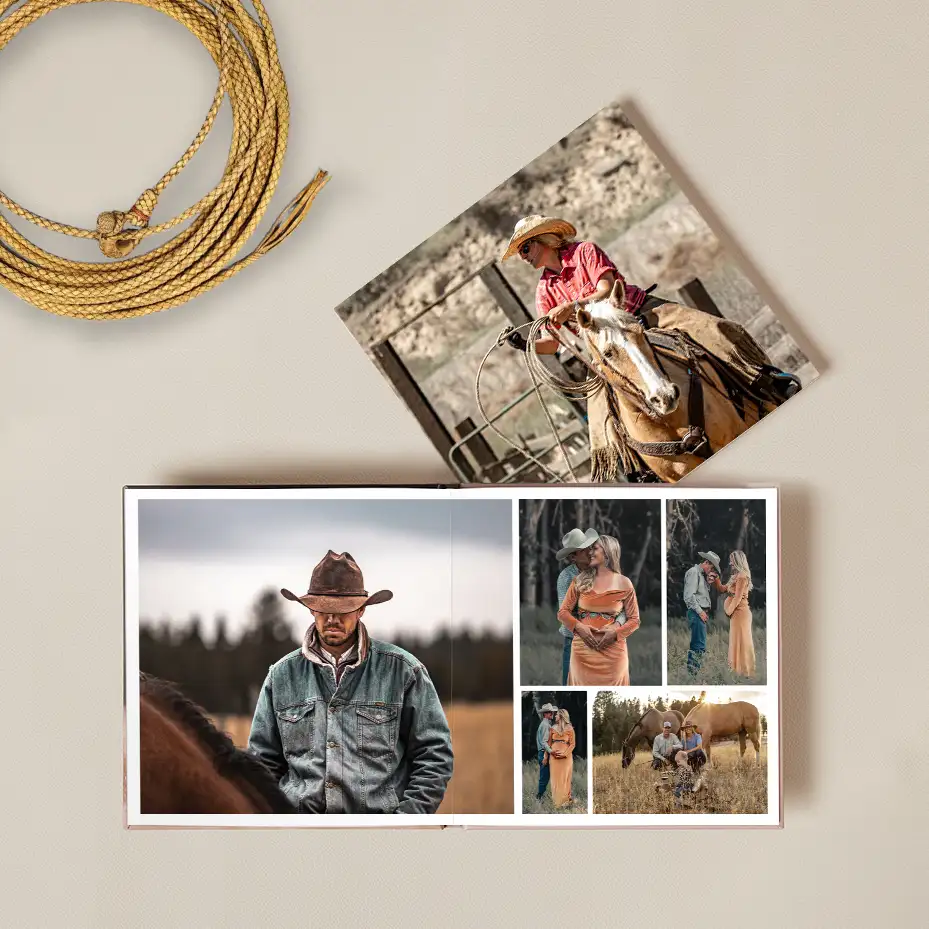
- A project portfolio or gallery can give people a much better understanding of what you can provide for them.
Clarity builds confidence. Confusion loses sales.
Team Photos (Even If It’s Just You + One)
People connect with people, not logos.
If you have a team, show them. If you don’t, show more of yourself in different settings.
What to aim for:
- Natural, relaxed groupings (not stiff lineups)
- Landscape crops (3:2 or 16:9) for banners and sections
- Consistent styling so everything feels cohesive
This helps humanize your brand and builds trust faster.
Location & Environment Images (Set the Scene)
If your business has a store front or physical space, or operates in a specific environment, like your training barn, show it.
This is especially powerful for ranches, western brands, or any business tied to a rural lifestyle.
What to aim for:
- Wide, storytelling shots (16:9 works well here – perfect for your home page hero image)
- Context that helps people understand where and how you work
- Clean, well-lit images that will make your viewer feel as if you’re inviting them in
You’re not just showing a place, you’re selling an experience.
Action Shots (Show, Don’t Tell)
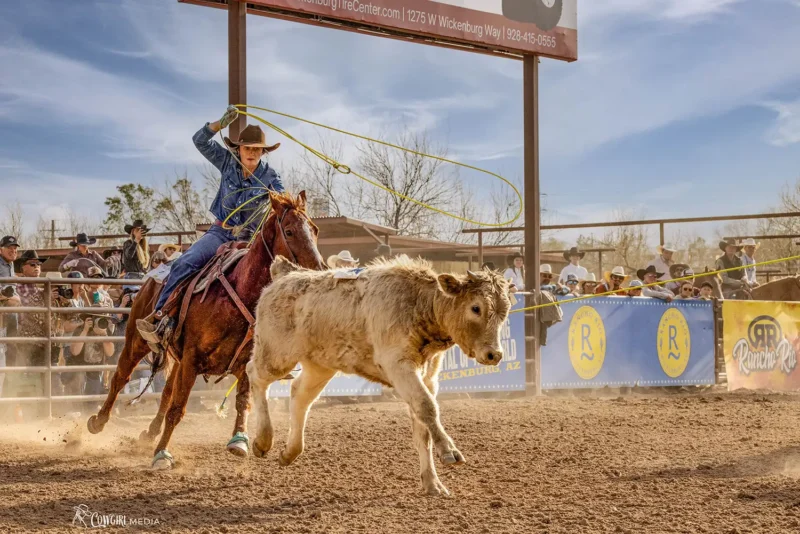
Don’t just say what you do, show it.
Action images help your audience quickly understand your value and visualize the end result.
What to aim for:
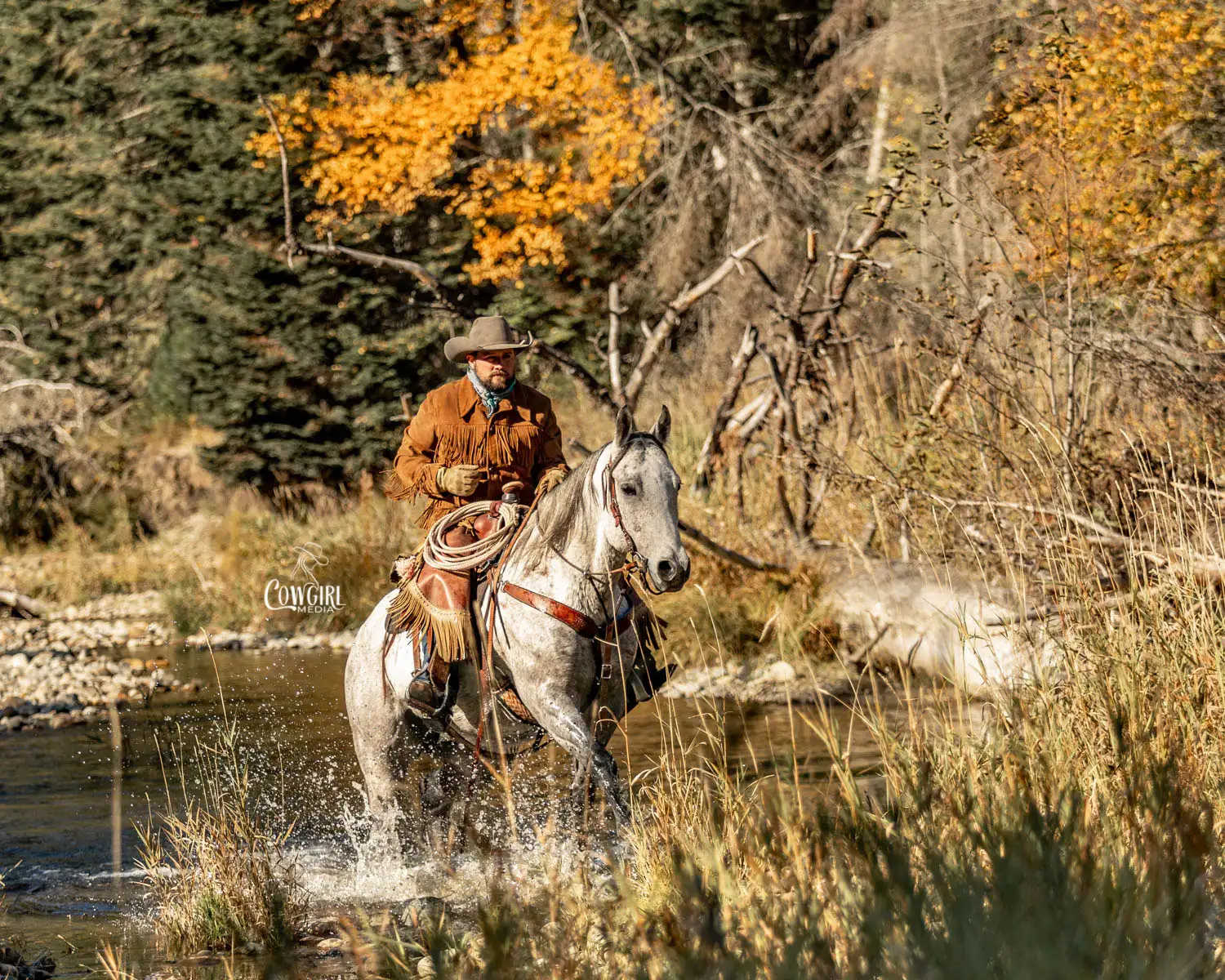
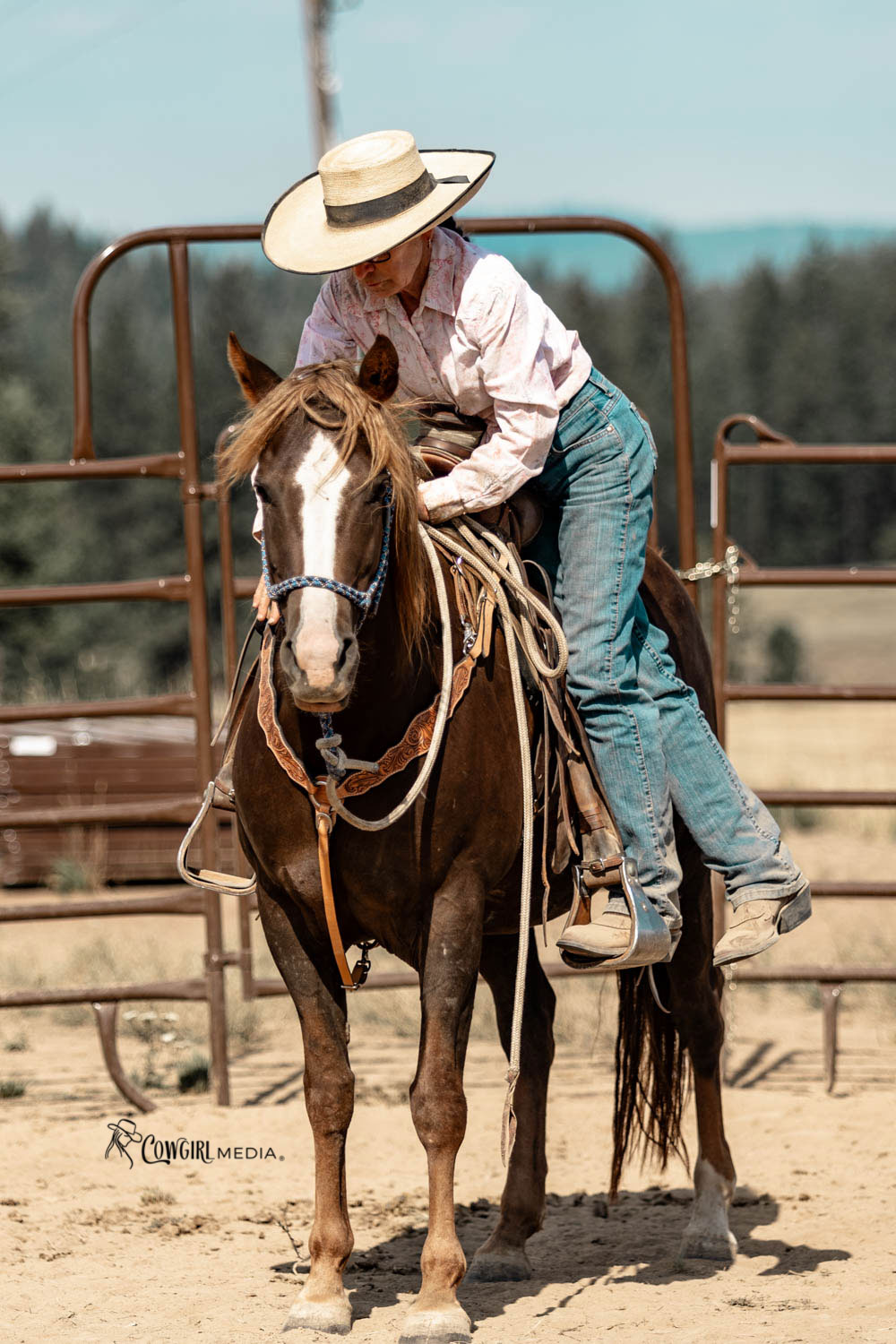
- Movement, interaction, and real moments
- Clear subject focus (especially important for mobile cropping)
- Images that feel candid rather than staged
These are some of your highest-converting visuals when used near key sections of your site.
Testimonials with Faces (Build Trust Faster)
A good testimonial is powerful. A testimonial paired with a real image? Even better.
What to aim for:
- A photo of the client (when possible). I’ll often ask them if I can borrow a photo from one of their social media accounts.
- Clean, simple crops (1:1 or 4:5)
It adds credibility and makes your testimonials feel real, not generic.
Background & Supporting Images (Set the Tone)
These aren’t the stars of the show, but they matter more than you think.
Background images help shape the overall feel of your site.
What to aim for:
- Subtle, non-distracting visuals
- Wide crops (16:9 or wider) for section backgrounds
- Lower contrast if text will sit on top (although this can be achieved via CSS directly on your website)
Done right, these elevate your site without competing for attention.
Conversion-Focused Images or Graphics (Guide the Next Step)
Every website has one job: get people to take action.
The right images can help guide that.
What to use:
- Images placed near buttons or forms
- Visuals that reflect the result of working with you (these can be graphics that you create on your computer, they don’t necessarily have to be an actual photograph)
- Emotion-driven imagery that reinforces your offer
Think less about “call-to-action images” and more about images that support decisions.
A Few Non-Negotiables for 2026
No matter what type of images you’re using, these matter:
✔ Optimize for speed
- Most images should be under 300KB
- Use modern formats like WebP when possible
- For more info on optimizing your images for web use, check out this blog post “How to resize images for your website“
✔ Design for mobile
- Make sure your subject stays centered when cropped for mobile devices
- Use vertical-friendly images where it makes sense
✔ Keep your branding consistent
- Similar tones, colors, and editing style across all images
- Avoid mixing bright, airy photos with dark, moody ones
✔ Use real images whenever possible
- Custom brand photography will always outperform stock, and PLEEEEAASSSEEEE don’t use AI imagery for your brand! This comes across as cheap and inauthentic and these days, consumers and other businesses are craving authenticity and being real.
✔ Don’t forget accessibility
- Add alt text for every image
- Avoid putting important text inside images
A good website isn’t just about having images, it’s about having the right images, used in the right way.
When your visuals are intentional, consistent, and built around your brand story, your website becomes more than just a place people visit.
It becomes a place that builds trust, creates connection, and turns visitors into clients.
And that’s the goal.